Showing posts with label William Carlos Williams. Show all posts

Wednesday, June 5, 2019

Animal Language Gets Less Credit
Than Its Particulars Contain

ducks in threes or fives or sevens
drift & mutter, frequently quack
conversations I hardly comprehend
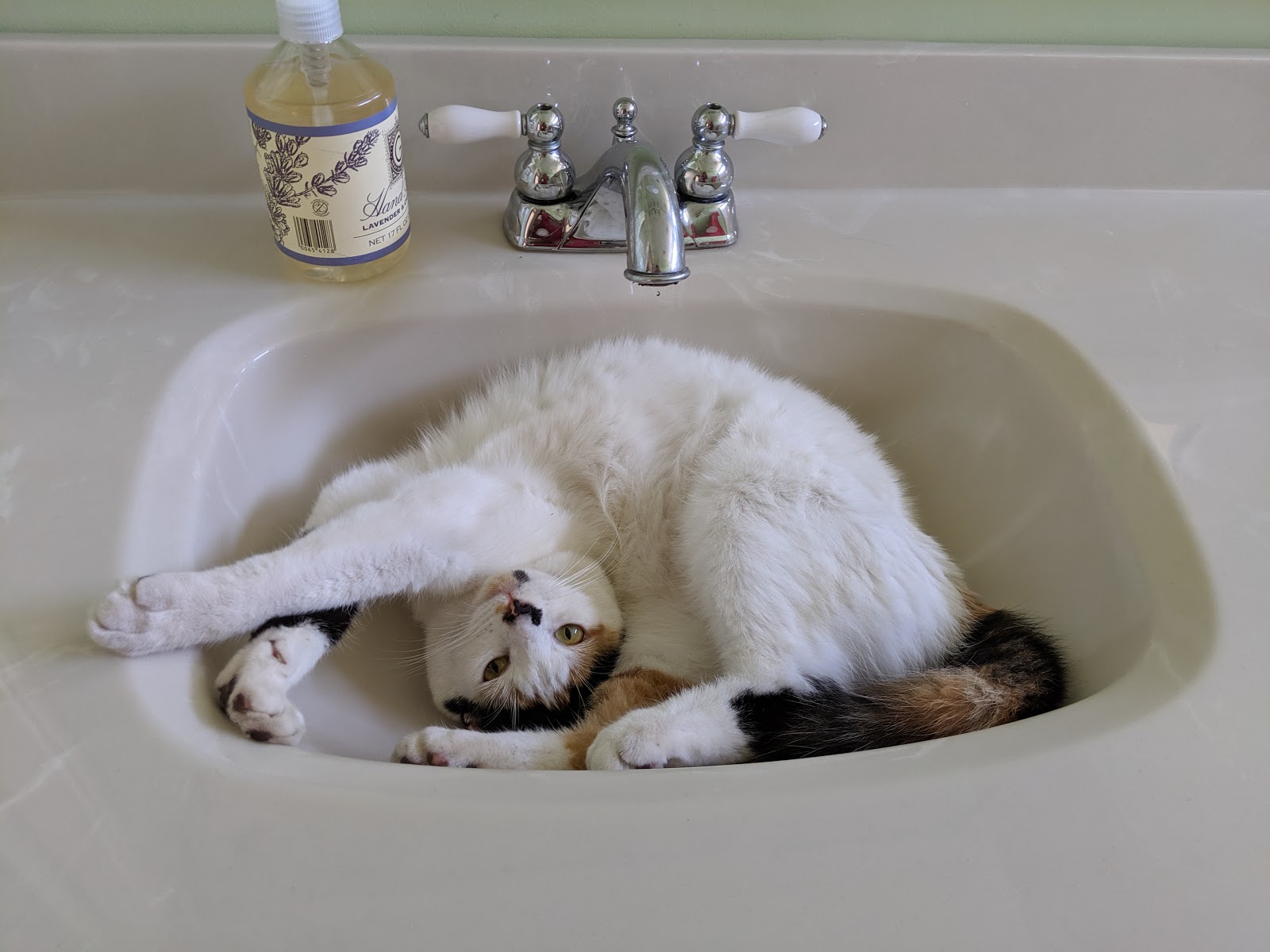
surely my rubbing & purring cat
conveys her heartfelt thanks
for kibble I pour into her bowl
likewise dogs straining at leashes
the neighbor’s dogs barking
pawing at chain-link fences
beg to chase & circle & lick
or kill whatever it is they see
clouds of bees buzz, snakes hiss
crickets chirp, frogs trill & peep
& croak & rattle & twang & snore
it can’t be all about hunting & sex
why not they’re minding the store?


Pastoral
by William Carlos Williams

The little sparrows
hop ingenuously
about the pavement
quarreling
with sharp voices
over those things
that interest them.
But we who are wiser
shut ourselves in
on either hand
and no one knows
whether we think good
or evil.
Meanwhile,
the old man who goes about
gathering dog-lime
walks in the gutter
without looking up
and his tread
is more majestic than
that of the Episcopal minister
approaching the pulpit
of a Sunday.
These things
astonish me beyond words.

Monday, October 8, 2018

Every Bright Color Is Dun

Whatever bird one sees
by dusk its every bright color is dun.
Tilting condors sail above the Andes
wingspread dark against the sun.
Far from plain, most truths elude
our knowing, representation’s dense
fabric muddies what first was nude,
confuses false starts with dead ends.
Consider the mischievous goddess Luna
interweaving the heartstrings of sane
householders, broadcasting DNA
between neighbors, seeding a lean
child in a plump brood. Fatherhood dual
yet undetected scotches any duel.


from In the American Grain
by William Carlos Williams

And bitter as the thought may be that Tenochtitlan, the barbaric city, its people, its genius wherever found should have been crushed out because of the awkward names men give their emptiness, yet it was no man’s fault. It was the force of the pack whom the dead drive.